CAPÍTULO 2 – ESPAÑA
1. INTRODUCCIÓN
-
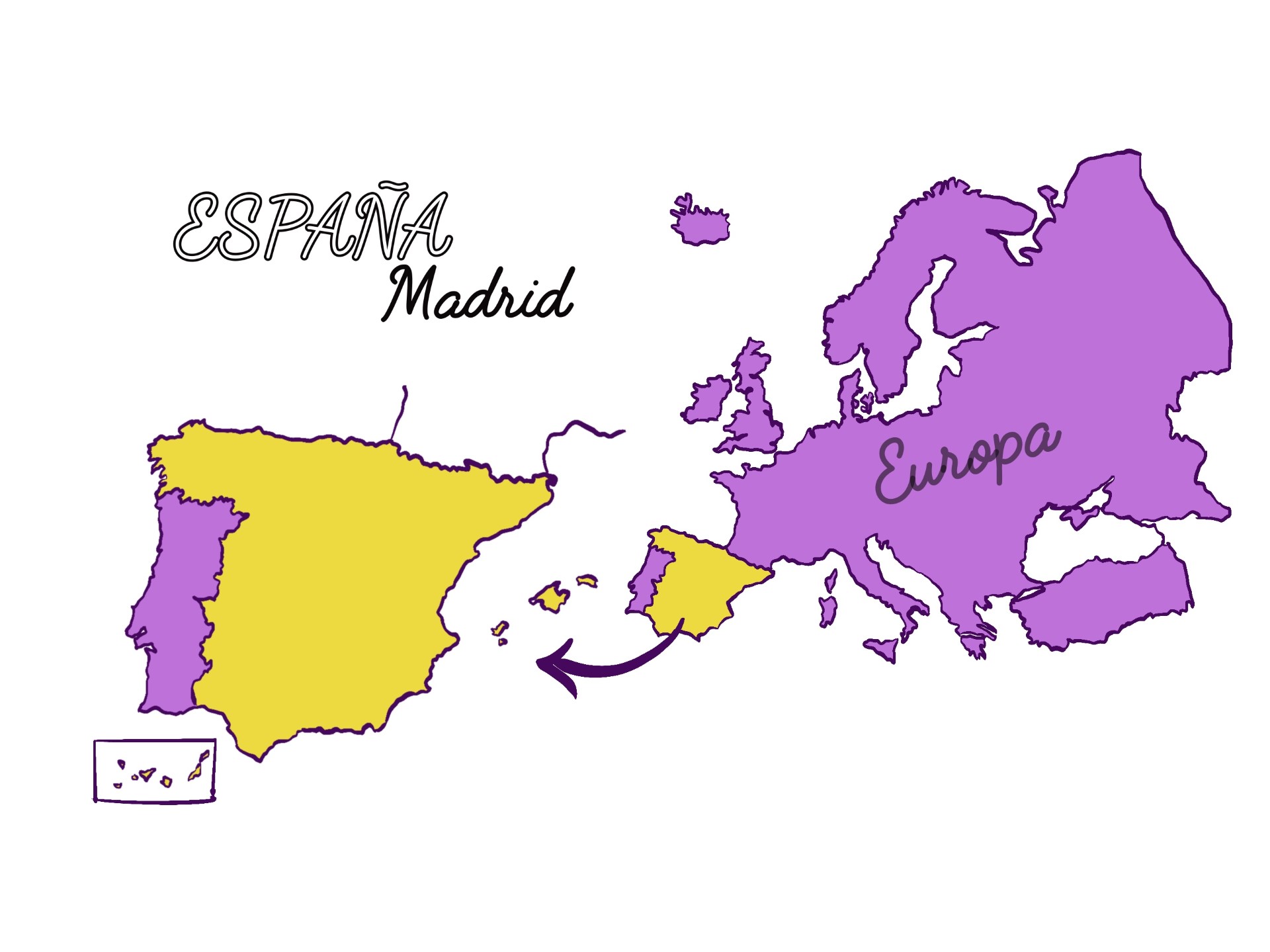
- Localiza las ciudades de Madrid y Barcelona, la península ibérica, el estrecho de Gibraltar, el río Guadalquivir, los Pirineos, las islas Canarias, las islas Baleares, Ceuta y Melilla, el mar Mediterráneo, Portugal, Francia y Marruecos.
- Lee el siguiente texto sobre España y explica las frases a continuación.
España es una civilización antigua llena de expresión cultural y uno de los países más influyentes del mundo hispano. La historia de España es compleja debido a su localización. Ha compartido reinos con varios países europeos como Portugal y Francia, entre otros, y partes del país fueron colonizadas por los reinos musulmanes. Por su posición de entrada al Atlántico y su conexión con el Mediterráneo, España ha sido un país de navegantes incluso antes de las expediciones de Cristóbal Colón a las Américas. En España se habla español, pero también se hablan euskera, valenciano, catalán, y gallego, además de incluir todo un abanico de dialectos y acentos. En general, su gente es multicultural debido a la mezcla sobre todo con árabes, judíos, africanos, mestizos, nativos de las Américas, y europeos. España es un país lleno de arte y belleza por sus antigüedades romanas, judías, musulmanas, cristianas. Se ha destacado en el mundo del arte con pintores como Salvador Dalí, Picasso, Velázquez, Goya, y escritores como Miguel de Cervantes, Góngora, etc. Uno de sus mayores retos es el control de la inmigración proveniente de países africanos y latinoamericanos, y la disputa por la petición de la independencia de Cataluña. España es uno de los países más turísticos del mundo posicionándose como el segundo en la lista detrás de Francia, por su atractivo histórico y excelencia en turismo.
-
-
- España es un país lleno de cultura
- España tiene unos retos
- España es un país multicultural
-
2. MADRID: LUGARES QUE VISITAR EN LA CAPITAL
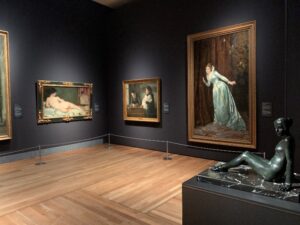
Madrid, en el corazón de España, es la capital y ciudad más grande del país. Algunos lugares que puedes visitar en la capital son el Museo Nacional del Prado, un museo gigante de arte que contiene piezas de las más grandes obras de arte de origen español y exposiciones de varios pintores. También, muy cerca al Prado está el Museo Reina Sofía que expone obras de pintura, escultura y otras exposiciones internacionales en sus instalaciones.
El Parque del Buen Retiro, Patrimonio de la UNESCO, es el pulmón de Madrid y es un lugar al cual acudir para respirar aire limpio; disfrutar de la naturaleza; caminar por los parquecillos y senderos; ver la colección de rosas, el Palacio de Cristal y la estatua del Ángel caído; montar en bicicleta; y mucho más.
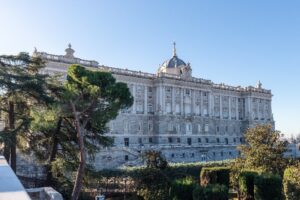
España tiene una monarquía, y en Madrid puedes visitar su gigantesco Palacio Real. El palacio tiene 3.000 habitaciones, convirtiéndolo en el palacio real más grande de Europa occidental. Cuenta con obras de arte de grandes pintores españoles, puedes visitar los famosos jardines de Campo del Moro y los Jardines de Sabatini, la armería del palacio real con su colección de armas de época medieval y la cocina real.
La Plaza Mayor es un lugar de encuentro, rodeada de una gran selección de restaurantes, cafeterías y tiendas de recuerdos. Si caminas un poco por sus calles, llegarás a la Puerta del Sol con su reloj de la torre que es el que marca los segundos para el año nuevo y donde se reúnen cientos de personas para dar la bienvenida al año nuevo. En la Puerta del Sol, hay restaurantes y muchas tiendas.
ACTIVIDADES
- Lee el texto y decide si las oraciones son ciertas o falsas. Corrige las oraciones falsas.
- Madrid es la capital y segunda ciudad más grande de España. _____
- El Museo Nacional del Prado contiene principalmente obras de arte de origen español. _____
- En el Parque del Buen Retiro puedes visitar la armería. _____
- En el Parque del Buen Retiro se pueden visitar los Jardines de Sabatini. _____
- El Palacio Real de Madrid tiene 2.000 habitaciones. _____
- En España hubo una monarquía, pero esta terminó con la caída de la dictadura. _____
- La Plaza Mayor de Madrid está rodeada de restaurantes, cafeterías y tiendas de recuerdos. _____
- En la Puerta del Sol de Madrid se celebra la corrida de toros de España. _____
- Imagina que vas a visitar el Museo del Prado. Visita su página web y escoge una de las exposiciones que te parezca interesante. Observa la página web bajando por todo el texto y observando las obras que se exponen. Selecciona las 3 obras que más te gustaron, indicando el nombre de la pieza, el artista y por qué te llamó la atención. Haz una descripción y comentario de tu pieza favorita (describe los colores, tono, emociones, etc.). Imprime las imágenes y tráelas a clase para mostrar a tus compañeros-as de clase lo que aprendiste.
- Además de los sitios turísticos que vimos, hay muchos otros lugares que ver en Madrid. Selecciona 2 lugares de la lista y mira videos en internet sobre los lugares que encontraste. Después, escribe un resumen sobre lo que descubriste.
-
- Museo Sorolla
- Mercado de San Miguel
- Catedral de la Almudena
- La Gran Vía
OBJETIVOS
En este capítulo, vas a aprender sobre las lenguas y culturas de España; la ciudad de Madrid; la cueva de Altamira; los orígenes del español y la letra “ñ”; las culturas de judíos, musulmanes (La Alhambra y los azulejos matemáticos) y cristianos en la península ibérica; la cultura gitana y el flamenco; la guerra civil española; y la semana santa en Sevilla.
CONCEPTOS IMPORTANTES
dialecto, monarquía, azulejo, inquisición, virgulilla, teselados, antropomórfico, capirote, flamenco, gitanos, fascismo, Guernica, cubismo
3. EL PAÍS DEL ESPAÑOL ES EL PAÍS DE MUCHAS LENGUAS Y CULTURAS
España, también conocida como Reino de España porque es el único país hispano con una monarquía, es la patria madre del idioma español pero también la patria madre de muchas otras lenguas como el euskera, el gallego o el catalán, además de numerosos dialectos. Todas estas lenguas y sus dialectos son lenguas romances, con la excepción del euskera, una lengua aislada de la cual desconocemos su origen. En ciertas partes de España, puedes encontrar casos de bilingüismo debido a la presencia de estas lenguas.
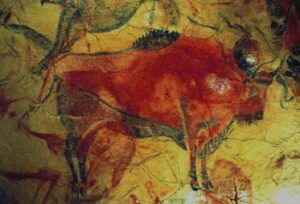
España es el 4º país con más hablantes de español y un país lleno de tradiciones y cultura por parte de todos los grupos que la han habitado. También, es el 4º país más grande de Europa y uno de los más montañosos. Originalmente, hubo diferentes grupos que habitaron la península, de ello quedó constancia, por ejemplo, con las antiguas pinturas rupestres de la cueva de Altamira. Otros habitantes fueron los fenicios que trajeron consigo su conocimiento de la navegación y el alfabeto.
Con la llegada de los romanos, la península recibió el nombre de Hispania, aunque ese nombre lo tomaron de los fenicios que originalmente le dieron el nombre de “i-spn-ya”. Existen muchas teorías sobre el significado de la palabra, pero no hay una respuesta definitiva. Algunos la han interpretado como “tierra de conejos”, “tierra del norte” o “tierra que forja metales”. Además de los romanos, España fue habitada por judíos con la expansión del cristianismo y también por musulmanes dada la cercanía al continente africano. De ahí que el español haya tomado palabras árabes como las palabras “pantalones,” “azúcar” y “almohada”. La inmigración de países africanos y latinoamericanos también ha enriquecido a España en la gastronomía, economía y cultura. Gracias a la inmigración, España puede mantenerse económicamente, sobre todo por el gran descenso de la natalidad en las últimas décadas. España ofrece una gran variedad cultural y lingüística gracias a los habitantes que la han enriquecido a través de su historia.
ACTIVIDADES
- Busca en internet una definición para:
- Dialecto
- Monarquía
- Busca en internet información sobre las imágenes rupestres de la cueva de Altamira y escribe un breve reporte.
- Busca información sobre la presencia romana en la península ibérica y haz una presentación en PowerPoint (PPT) para presentar en clase.
4.¿DE DÓNDE VIENE EL ESPAÑOL?
A continuación, vamos a aprender sobre el origen del español y la historia de la letra “ñ”. Usa los enlaces y sigue las instrucciones para completar esta sección.
ACTIVIDADES
Lee el siguiente artículo en internet (lee los dos primeros párrafos) y contesta a las preguntas de comprensión.
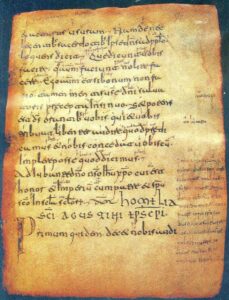
Artículo: GLOSAS EMILIANENSES
- ¿Qué nos enseñan las glosas sobre ese tiempo?
- ¿Qué son las glosas emilianenses?
- ¿En qué siglos aproximadamente se escribieron estas anotaciones?
- Según el texto, un sinónimo para glosa es:
- Observa las glosas en la parte inferior derecha del documento.
- Discute. ¿Haces anotaciones en tus cuadernos o libros? ¿Para qué las usas? ¿Cómo piensas que evolucionará el español en el futuro? ¿Qué piensas que ocurrirá con las lenguas?
EL ORIGEN DE LA “Ñ”
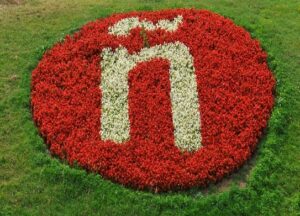
El español tiene una letra muy característica llamada “eñe” y representada con la letra “ñ”, siendo la marca del español por excelencia. Mira el siguiente video para aprender sobre los orígenes e historia de esta especial letra y responde cierto o falso a las oraciones. Corrige las oraciones falsas.
- Entró al Diccionario de la Real Academia en el año 1000.
- Con las lenguas romances apareció este sonido.
- Es un sonido nasal palatal.
- En el siglo XIX, los copistas la usaban en sus manuscritos.
- Se puso la virgulilla como solución para ahorrar pergamino.
- En el siglo XIV Nebrija la introdujo en su Gramática.
- Otras lenguas también tienen el sonido, pero es una mezcla de letras.
- Este sonido no se encuentra en las Américas.
- En Guinea Ecuatorial también se usa la “ñ” en la lengua bubi.
5. LAS TRES CULTURAS DE ESPAÑA
Durante la Edad Media española confluyeron tres culturas importantes: los musulmanes, los judíos y los cristianos. En un principio las tres culturas coexistían sin mayor problema, pero poco a poco la relación entre unos y otros se fue deteriorando hasta alcanzar una separación completa. Este periodo de convivencia tuvo grandes repercusiones en lo económico, en lo intelectual y también en lo político. La tradición cristiana ya era fuerte desde la expansión del cristianismo, y en España, lugares religiosos como la catedral y tumba de Santiago de Compostela, y la peregrinación a la misma, continuaron influyendo la tradición cristiana. Fue en esta época que floreció la literatura mística de la mano de Teresa de Jesús y de Juan de la Cruz.
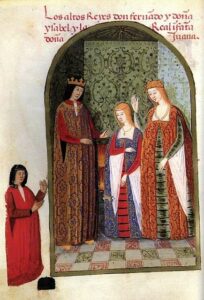
No obstante, fue en la Edad Media que la Santa Inquisición ejerció su mano más severa contra cualquier creencia contraria a la cristiana y esto creó diferentes problemas y confrontaciones. Por un lado, hubo un rechazó a la cultura musulmana que se había extendido por el sur. Por otro lado, nació un sentimiento negativo hacia la influencia económica que tenían los judíos quienes tenían bienes raíces y altos cargos como médicos, ministros, notarios y joyeros, entre otros. La Santa Inquisición fue severa incluso en sus juicios con los escritores místicos quienes escribían sobre encuentros sensoriales y experiencias espirituales. El trabajo de la Santa Inquisición era servir a la corona de los Reyes Católicos con el propósito de unificar la religión y el poder político en el reino. La Inquisición castigaba las herejías, las prácticas ocultistas y todo aquello que se opusiera al catolicismo.
La culminación de la tensión entre estas tres culturas y religiones vino con la exploración española del continente americano. Fue en 1492, año en que se produce la primera llegada de Cristóbal Colón al Caribe, cuando en España se produce la reconquista de Granada, y Fernando de Aragón e Isabel la Católica entran a la ciudad y retoman posesión de ella después de una guerra contra Muhammad II. Ese mismo año, Fernando e Isabel decretan también la expulsión de los judíos a menos que se convirtieran al cristianismo. Como consecuencia de estas decisiones, la religión y cultura impuestas en los países del continente americano fueron predominantemente cristianas, y no judías o musulmanas, tras iniciarse el proceso de colonización.
ACTIVIDADES
- ¿Qué tres acontecimientos ocurrieron en 1492?
- ¿Qué personajes fueron fundamentales para cambiar el rumbo de la historia?
- ¿Por qué existía la Inquisición?
- Comenta con un-a compañero-a. ¿Qué tan diferente sería la historia si cambiáramos las circunstancias?
6. LOS AZULEJOS MUSULMANES
Los azulejos de cerámica portugueses, llamados azulejos por su color azul, se inspiraron en el palacio de la Alhambra ubicado en la ciudad andaluza de Granada. Andalucía es una región del sur de España que estuvo ocupada por los habitantes musulmanes del Mediterráneo occidental desde el siglo VIII hasta el siglo XIII. Después de que su capital, Córdoba, fuera capturada por los cristianos, el líder de la última dinastía musulmana en la península ibérica acordó conceder tributos e incluso territorio a los cristianos con la condición de que dejaran en paz su ciudad natal de Granada. La construcción de la Alhambra comenzó en 1238 y se completó más tarde en el año 1300 cuando la dinastía musulmana exhaló su último aliento en la península ibérica.
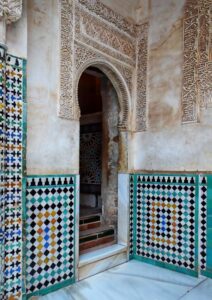
Su decoración es claramente diferente de las basílicas cristianas de la época que estaban adornadas con estatuas doradas de santos, exhibiciones de crucifixiones y murales de la Biblia. A los musulmanes, sin embargo, se les prohibió estrictamente las representaciones de Mahoma o Alá o cualquier criatura viviente porque se consideraba una forma de idolatría. Sin la expresión de la representación antropomórfica, los musulmanes pasaron a representar la belleza de Dios de forma abstracta.
Las paredes estaban adornadas con intrincados patrones repetitivos y mosaicos que tenían varias simetrías visuales. El fascinante resultado es que los numerosos azulejos de colores que escalan a lo largo de las paredes del palacio contienen ricas propiedades matemáticas, exclusivas de la Alhambra, que a su vez han sido una inspiración para el arte. Los teselados (figuras con regularidad que no deja espacios abiertos y que no superpone figuras) del artista holandés M. C. Escher fueron inspirados por las simetrías de los azulejos granadinos.
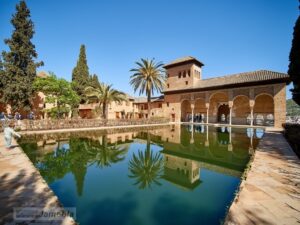
La rama de las matemáticas que estudia la simetría se conoce como teoría de grupos y el conjunto de todas las operaciones que dejan invariable el objeto constituye un grupo. Las operaciones en la teoría de grupos son reordenamientos que no alteran el objeto. Con algunas suposiciones naturales, resulta que las estructuras matemáticas que surgen de estos teselados se pueden clasificar en exactamente 17 categorías que encapsulan todas las reorganizaciones posibles. Sigue existiendo controversia sobre exactamente cuántos de estos grupos están presentes en la Alhambra, pero el número oscila entre 13 y 17, lo que sigue siendo un logro rico y único en arquitectura y un gran aporte matemáticos, especialmente dado que se produjo mucho antes de que se inventara la teoría de grupos.
ACTIVIDADES
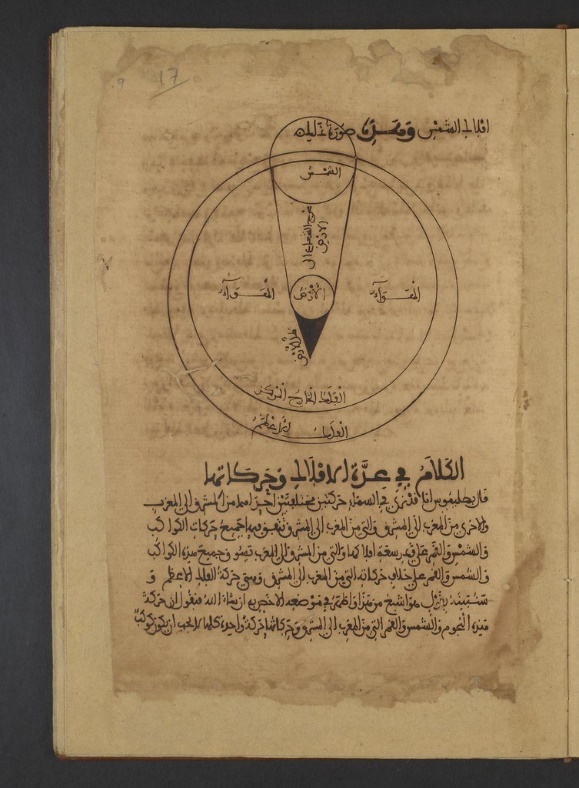
- Responde cierto (C) o falso (F) a las oraciones de comprensión y corrige las frases incorrectas.
- Los azulejos son todos de color azul.
- Los azulejos se originaron en Portugal.
- La Alhambra es un palacio musulmán en la ciudad de Granada.
- La Alhambra está decorada como las basílicas y catedrales cristianas.
- Con los azulejos, los musulmanes crearon imágenes de Alá.
- En la religión musulmana está permitida la idolatría.
- La teoría de grupos estudia las simetrías matemáticas.
- La Alhambra se inspiró en la teoría de grupos para diseñar los azulejos.
- Después de aprender sobre la representación de los azulejos en Granada y su significado interdisciplinario para el arte, la religión y la arquitectura, contesta a las siguientes preguntas. Después, entrevista a tus compañeros-as de clase.
- ¿Qué te llamó la atención de los teselados granadinos?
- ¿Piensas que se puede representar a Dios de una forma abstracta?
- ¿Por qué piensas que los musulmanes escogieron formas geométricas para referirse a Dios?
- ¿Te gustan los azulejos y mosaicos en general?
- ¿Te gustan las matemáticas? ¿Qué tipo de clases te gustan?
- ¿Piensas que es importante aprender conceptos e ideas que sean interdisciplinarios? Explica.
- Crea una presentación en PPT para tu clase sobre la influencia musulmana o la judía en España antes de la expulsión en 1492. Puedes escoger uno de los siguientes temas. Usa el espacio de abajo para crear una lluvia de ideas, o “brainstorm”, hacer anotaciones o añadir tu bibliografía.
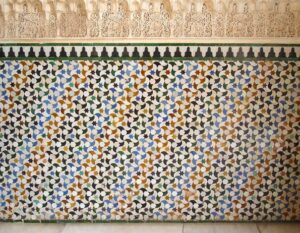
Imagen 11. - La influencia del árabe en el español
- La arquitectura árabe en el Al Ándalus
- La política durante el reinado musulmán
- El comercio judío en España
- La medicina árabe o judía
- La influencia de la música árabe en el flamenco
- Las matemáticas y astronomía árabes (álgebra, algoritmo, etc.)
- La gastronomía árabe introducida en España
- Los judíos en cargos políticos y de influencia
- La filosofía judía/árabe
7. SEMANA SANTA EN SEVILLA
La semana santa en Sevilla está llena de acontecimientos y tradiciones por toda la ciudad. La semana santa se celebra en toda España y cada región tiene sus propias tradiciones y vestimentas. En general, la celebración más grande está en Sevilla por el gran número de procesiones y festejos. La influencia es tanta que se ha declarado fiesta de interés turístico internacional. Durante esta semana los fieles cristianos tienen la oportunidad de conmemorar la pasión, muerte y resurrección de Jesús. No hay una fecha exacta, pero la semana santa se celebra entre marzo y abril, dependiendo del calendario lunar. Aproximadamente 60 cofradías (grupos de fieles a modo de hermandad que rinden culto a Dios) salen en procesión por las calles escuchando las saetas (canciones religiosas flamencas que se les canta a las cofradías). A veces durante la procesión reina el silencio de la multitud en las calles como forma de mostrar respeto.
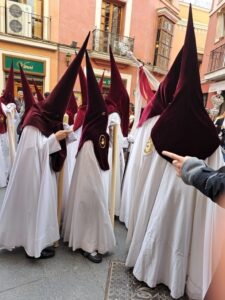
Las cofradías están formadas por los nazarenos que son los que llevan las pesadas imágenes en sus espaldas a modo de peregrinación y sacrificio, otros desfilan por las calles durante la procesión dando caramelos a los niños y otros están encargados del incienso. Los nazarenos se visten con trajes de varios colores dependiendo de la cofradía. En general, llevan una túnica y un capirote (gorro alto en forma de cono). Aquí, hemos de desvincular el uso del capirote con el grupo Ku Klux Klan, grupo americano que usa el capirote de manera simbólica para afirmar racismo y superioridad racial. En Sevilla, sin embargo, no tiene este significado de ninguna manera. El capirote tiene sus raíces en la Inquisición, y más recientemente, ha estado relacionado con el culto católico de la semana santa.
ACTIVIDADES
- ¿Celebras la semana santa? ¿Hay celebraciones para la Pascua y la semana santa en los EE. UU. o en el país donde vives?
- ¿Qué aspectos te llamaron la atención de esta celebración?
- ¿Piensas que esta celebración es una forma de idolatría? ¿Qué es la idolatría?
- Piensa en la forma de representar a Dios de los musulmanes y la semana santa. ¿Qué similitudes y diferencias hay?
- En general, ¿cuál es tu opinión sobre esta celebración?
- Escucha en internet diferentes saetas de la semana santa en Sevilla y escribe tus impresiones.
8. EL FLAMENCO
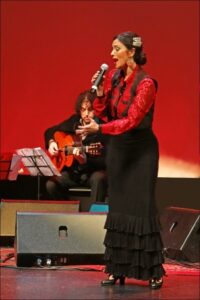
La música y baile flamencos son una expresión singular de España que puedes disfrutar especialmente en la región de Andalucía. Para la etnia gitana española es una expresión de la que se sienten verdaderamente orgullosos. Si visitas Sevilla o algunas de las otras ciudades de Andalucía, el flamenco, en baile o música, es uno de los espectáculos que no te debes perder. Además, el baile como la música y la canción se pasan de generación a generación, y se aprende en escuelas de baile y peñas (grupos) de flamenco. Varios artistas en este arte se han destacado con distintos premios y reconocimientos. Entre ellos están Antonio Gades, Enrique Morente, Eva La Yerbabuena, La Niña de la Puebla y Joaquín Cortés. El canto va acompañado de instrumentos característicos del flamenco como la guitarra, las castañuelas, las palmas, taconazos y el cajón.
ACTIVIDADES
Lee el texto de arriba y después mira el siguiente documental sobre el flamenco. Responde a las siguientes preguntas usando la información del texto y del video.
- ¿Hay una técnica definitiva para aprender flamenco?
- ¿Cómo puedes ser solista en la guitarra?
- ¿Por qué el flamenco es una música difícil?
- ¿Es difícil ganarse la vida con el flamenco? Explica.
- ¿Qué aspectos llaman la atención en el flamenco música y baile?
- Busca en internet información sobre Paco de Lucia. Escribe un breve reporte.
- Escucha algunas de las canciones de Paco de Lucia y escribe tus impresiones sobre su música.YouTube: PACO DE LUCIA Exitos ~ Best Songs of PACO DE LUCIA 2020
9. LA GUERRA CIVIL ESPAÑOLA
España ha pasado por momentos históricos importantes. El gobierno musulmán durante cientos de años, la exploración del continente americano, la Inquisición, etcétera. Sin embargo, el conflicto más reciente en España fue la guerra civil española en 1936. Se trató de una guerra de 2 años que empezó por un fallido golpe de estado en contra del gobierno de la República.
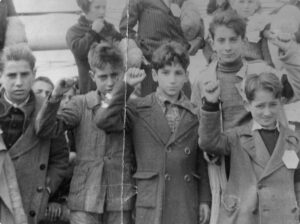
Durante la guerra hubo una confrontación de varias polarizaciones que había en ese momento, entre ellas el fascismo y el comunismo, el bando sublevado y el bando republicano (republicano aquí era el partido de la izquierda) y una lucha de religión. Después de 2 años, Francisco Franco, quien había liderado la guerra, se proclamó presidente y estableció una dictadura que se acabó en 1975 con su muerte.
La guerra fue sangrienta y comenzó en un momento crítico en Europa. En ese momento Italia era fascista, y en Alemania había nazismo. Fue un momento de gobiernos radicales de derecha que oprimieron las libertades de muchos, y en el caso de Alemania, provocó la segunda guerra mundial. De hecho, aunque España era fascista durante la guerra mundial, no participó en la guerra mundial porque ya había quedado destruida primero con la guerra civil española.
Durante la guerra se destruyeron escuelas, hospitales y ciudades enteras. Hubo una confrontación contra la iglesia católica, pues ésta prefirió apoyar la guerra en lugar de advocar por la paz, lo que conllevó a que muchas iglesias fueron atacadas por el bando de izquierda. El bando fascista, también llamado bando sublevado/nacional, torturó a los prisioneros de izquierda, usó el ejército militar para atacar con bombas y tanques y ocasionó miles de asesinatos. Ambos mandos fueron responsables de crímenes inexcusables, y aunque al final ganó el fascismo, como en toda guerra, las consecuencias quedaron en destrucción, en una guerra realmente nadie gana.
Mucho del talento académico y creativo de España se exilió en el extranjero, unos desaparecieron y muchos otros artistas fueron asesinados. Los exiliados pasaron grandes dificultades intentando salir de España, pero muchos lograron llegar a países como Francia, México, Argentina y la Unión Soviética, entre otros.
ACTIVIDADES
- Busca en una enciclopedia virtual una definición para estos términos:
Fascismo
Comunismo
Guerra civil - Escribe una reflexión en tu cuaderno usando las preguntas a continuación. ¿Piensas que hay casos en los que las guerras son necesarias? ¿Cuándo sí y cuándo no? ¿Por qué en el texto se dice que en las guerras “nadie gana”? ¿Fue necesaria la guerra civil española? Explica. ¿Cuáles fueron las consecuencias de la guerra civil?
- Busca información sobre los exiliados españoles en el extranjero. Escribe un reporte y comparte con la clase lo que encontraste. Enfócate en el legado y la fortaleza de las víctimas.
- Investiga en internet y crea una presentación en PPT sobre la vida de Francisco Franco. Incluye la bibliografía.
10. EL CUADRO GUERNICA DE PABLO PICASSO
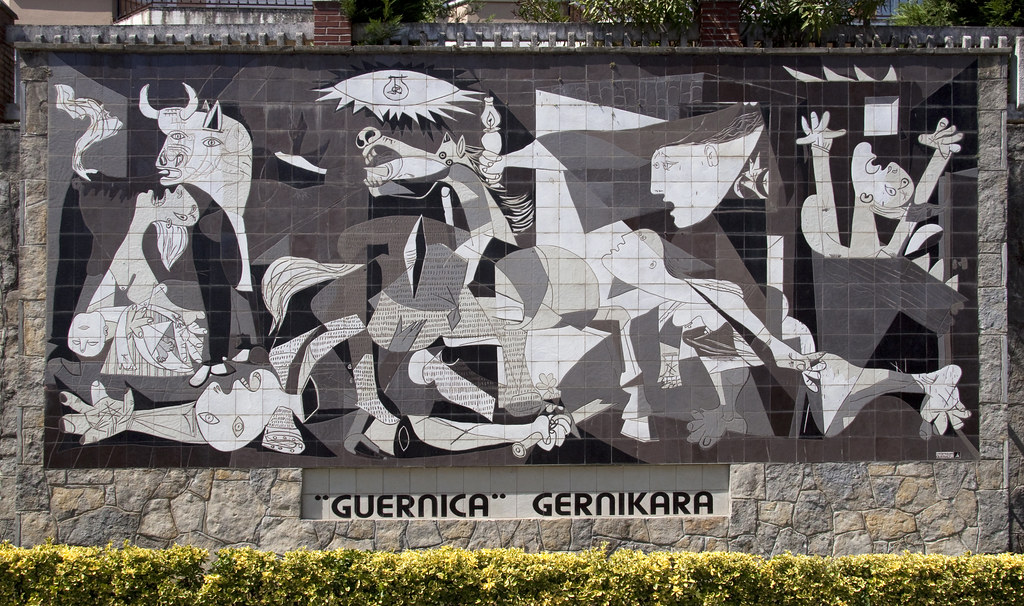
Guernica, un cuadro que Pablo Picasso pintó en 1937, fue una crítica abierta a la guerra civil española y sus atrocidades. A continuación, vamos a analizar el cuadro y a aprender más sobre su historia.
ACTIVIDADES
- Observa el cuadro Guernica de Pablo Picasso y comenta tus impresiones.
a. ¿Cuántas personas hay en el cuadro?
b. ¿Qué animales aparecen?
c. ¿Qué colores hay en el cuadro? ¿Qué significado tienen los colores? - Pablo Picasso puso en el marco de atención público el ataque nazi al pueblo de Guernica en el norte de España. Estudia el cuadro en detalle y explica lo que cada uno de estos personajes y objetos representa en la interpretación del cuadro. Después, escribe una interpretación del cuadro explicando los tonos y temas que Picasso escogió y cómo se aplican al contexto histórico del cuadro.
- las mujeres
- el caballo
- el toro
- la bombilla
- el hombre en el suelo
- Lee la siguiente cita que Pablo Picasso dijo sobre Guernica, y después responde a las preguntas del texto. Comparte tus respuestas con 1 o 2 compañeros-as de clase.Mi trabajo es un grito de denuncia de la guerra y de los ataques de los enemigos de la República establecida legalmente tras las elecciones del 31 […]. La pintura no está para decorar apartamentos, el arte es un instrumento de guerra ofensivo y defensivo contra el enemigo. La guerra de España es la batalla de la reacción contra el pueblo, contra la libertad. En la pintura mural en la que estoy trabajando, y que titularé Guernica, y en todas mis últimas obras, expreso claramente mi repulsión hacia la casta militar, que ha sumido a España en un océano de dolor y muerte.¿Cuáles son tus impresiones sobre la voz del arte para denunciar la injusticia? ¿Qué te llamó la atención de la explicación de Picasso sobre Guernica? Para las personas que piensan que Guernica no es un cuadro “bonito” o decorativo. ¿Qué les dirías?
11. REPASO DE GRAMÁTICA: LOS USOS DE “POR” Y “PARA”
Lee los usos para las preposiciones “por” y “para” y completa las actividades. Puedes consultar el enlace si deseas profundizar en los usos.
PREPOSICIÓN “POR”
- El trayecto o el curso de un movimiento: Caminaban por el centro de la calle.
- Aproximación de la ubicación de un lugar o el tiempo: Terminarán el proyecto por Navidad.
- Complemento agente: El contrato fue firmado por los arrendatarios.
- Para expresar aquello por lo que se actúa: Luchan por la justicia.
- El modo en el que se recibe o se envía algo: Yo los llamé por teléfono.
- La cantidad por la que se compra o vende algo: Venden las paellas por 30 euros.
- Duración de tiempo: Estuvieron en el cine por 2 horas.
PREPOSICIÓN “PARA”
- Para expresar destino, propósito, finalidad, fecha límite: Ellos van para la clase / La tarea es para el lunes.
- Para + infinitivo: Para descansar bien, hay que echarse una siesta.
- Para expresar una opinión: Para mí, vivir en el campo es mejor que vivir en la ciudad.
ACTIVIDADES
- Lee el siguiente texto sobre la región de Cataluña en España y su deseo de independizarse. Completa el texto usando “por” y “para.”
- Cataluña ha sido una región de España _____________ muchos años. Hay 7 millones de habitantes.
- Cataluña es conocida _____________ su alto producto interior bruto. Es una región muy próspera.
- La economía de Cataluña representa aproximadamente el 20 __________ ciento del total de España.
- ___________ las regiones de Cataluña, se puede hablar 2 lenguas: el catalán y el español.
- El gobierno y las instituciones de Cataluña han promovido las ideas independentistas _____________ convencer a más personas.
- Cataluña tiene ciertas libertades; _________ ejemplo, ellos tienen su propia policía.
- ____________ aprender en las escuelas de Cataluña, debes hablar catalán.
- El parlamento de Cataluña tiene competencias _____________ la sanidad, la educación y las cárceles.
- Los independentistas quieren un referéndum _____________ decidir el futuro de Cataluña.
- El gobierno catalán lucha _____________ obtener más autonomía en áreas como la educación y la sanidad.
- Los medios de comunicación influyen en la opinión pública _____________ promover las ideas independentistas. _____________ eso, ellos usan las redes sociales y la televisión pública.
- Algunos políticos catalanes estuvieron en prisión _____________ delitos relacionados con el proceso independentista.
- Entrevista a un-a compañero-a sobre la información que aprendiste sobre Cataluña.
- En general, ¿piensas que es buena idea independizarse de un país más grande?
- ¿Cuáles pueden ser los resultados de una independencia?
- ¿Piensas que tener su propia lengua es un argumento válido para independizarse?
- ¿Piensas que Cataluña finalmente se independizará de España algún día?
12. REPASO DEL CONTENIDO
Escoge la opción correcta para las siguientes preguntas o enunciados sobre lo que aprendimos de España.
- ¿Cuál de los siguientes no es un idioma regional hablado en España además del español?
- Euskera
- Guaraní
- Catalán
- Gallego
- ¿Qué aspecto ha sido un desafío importante para España?
- Competencia con otros países europeos
- Control de la inmigración y la disputa por la independencia de Cataluña
- ¿Qué lugar en Madrid es conocido como el “pulmón de la ciudad” y es Patrimonio de la UNESCO?
- Museo Nacional del Prado
- Palacio Real
- Parque del Buen Retiro
- Plaza Mayor
- ¿Qué característica hace que el Palacio Real de Madrid sea notable entre los palacios reales de Europa occidental?
- Tiene una armería
- Es el palacio real más antiguo de Europa
- Cuenta con 3.000 habitaciones y grandes jardines
- ¿Qué evento importante se celebra en la Puerta del Sol de Madrid, atrayendo a cientos de personas cada año?
- Carnaval de Madrid
- Celebración del Día de la Hispanidad
- Bienvenida al año nuevo con las campanadas
- ¿Cuál de las siguientes afirmaciones sobre las lenguas en España son correctas?
- El español es lengua oficial
- Las otras lenguas son de origen germánico
- Se desconoce el origen del euskera
- ¿Qué grupo habitó la península ibérica y dejó pinturas rupestres en la cueva de Altamira?
- Fenicios
- Romanos
- Musulmanes
- Grupos prehistóricos
- ¿Cuál es uno de los principales propósitos de las Glosas Emilianenses?
- Registrar expresiones del latín medieval
- Documentar el romance vulgar que evolucionaría al español
- ¿Qué marca comenzó a ser utilizada en el siglo IX para indicar la nasalización de la letra “ñ” en textos antiguos?
- Virgulilla
- Trema
- Diéresis
- Cedilla
- ¿Qué acontecimiento marcó una nueva era en la España medieval?
- Cristóbal Colón llega al continente americano
- La firma del Tratado de Tordesillas
- La expulsión de los judíos
- ¿Qué papel desempeñó la Santa Inquisición durante la Edad Media española?
- Promovió la paz entre las tres culturas
- Castigó a quienes practicaban ocultismo y herejías
- Fomentó el desarrollo
- ¿Cuál fue la principal restricción cultural que influyó en la decoración de la Alhambra?
- Prohibición de representaciones de Mahoma o Alá
- Prohibición de representaciones de santos cristianos
- ¿Qué función cumplen las saetas durante las procesiones de semana santa?
- Tocan instrumentos de cuerda.
- Son canciones flamencas cantadas en honor a las cofradías.
- Son fuegos artificiales
- ¿Qué simboliza el capirote usado por los nazarenos en las procesiones de semana santa en Sevilla?
- Racismo y superioridad racial
- Un símbolo de la Inquisición española
- Protección contra el sol y la lluvia
- El canto, los taconazos, las palmas, la guitarra y el cajón caracterizan este tipo de música:
- Salsa
- Tango
- Merengue
- Flamenco
- ¿Qué provocó el inicio de la guerra civil española en 1936?
- Un golpe de estado contra el gobierno fascista
- Un golpe de estado contra el gobierno republicano
- Un terremoto
- ¿Quién lideró el bando fascista durante la guerra civil española?
- Francisco Franco
- Obiang Nguema
- Augusto Pinochet
- Francisco Pizarro
- ¿Cuál es el tema principal representado en la obra Guernica de Pablo Picasso?
- La segunda guerra mundial
- El bombardeo de Guernica durante la guerra civil española
- La revolución española
13. OTROS TEMAS PARA EXPANDIR: PROYECTOS Y TAREAS ALTERNATIVAS
Para expandir puedes buscar más información sobre estos temas y presentar o escribir una composición en clase.
TEMAS: La influencia gitana, la monarquía española, las islas y territorios fuera de la península, la disputa con Gibraltar, los fenicios, el camino de Santiago, la RAE, la dama de Elche, la Escuela de Traductores de Toledo, la peste negra en España, la Inquisición Española, el fútbol español, la amenaza de sequía, la producción de vino, el Siglo de Oro, el debate sobre apropiación cultural en Picasso
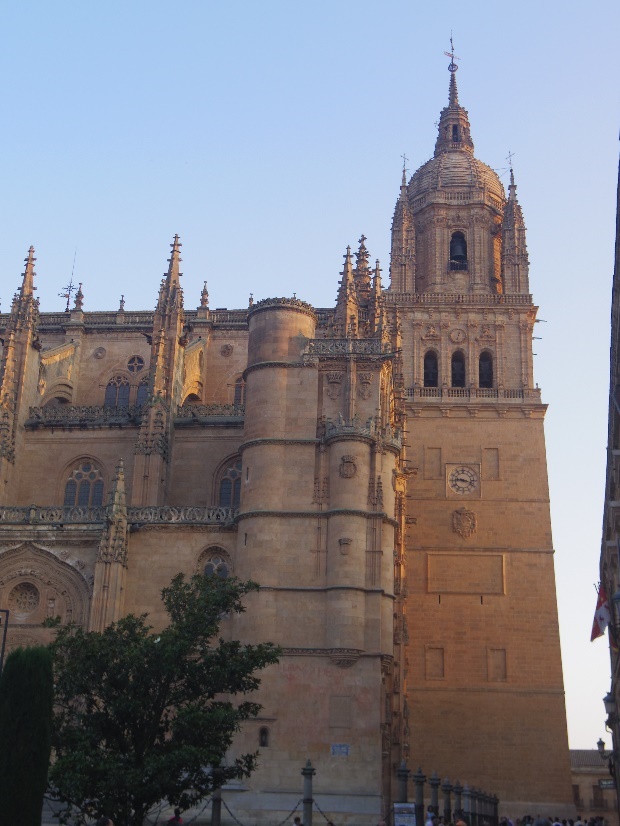
LUGARES EMBLEMÁTICOS: La Catedral de Santiago de Compostela, la Universidad de Salamanca, el Alcázar de Segovia, la muralla de Ávila, el Museo Thyssen-Bornemisza, los Pirineos, el Monasterio de El Escorial, la Sagrada Familia
PELÍCULAS: El Laberinto del fauno (2006) de Guillermo del Toro, La habitación de Fermat (2007) de Luis Piedrahíta et al., Volver (2006) de Pedro Almodóvar, Todo sobre mi madre (1999) de Pedro Almodóvar, Un perro andaluz (1929) de Luis Buñuel, Abre los ojos (1997) de Alejandro Amenábar, Cría cuervos (1976) de Carlos Saura, La librería (2017) de Isabel Coixet
FESTIVALES: Las fallas de Valencia, las fiestas de Alicante, la corrida de toros de Pamplona, la tomatina, la tauromaquia, la feria de abril, moros y cristianos, festival de cine de San Sebastián
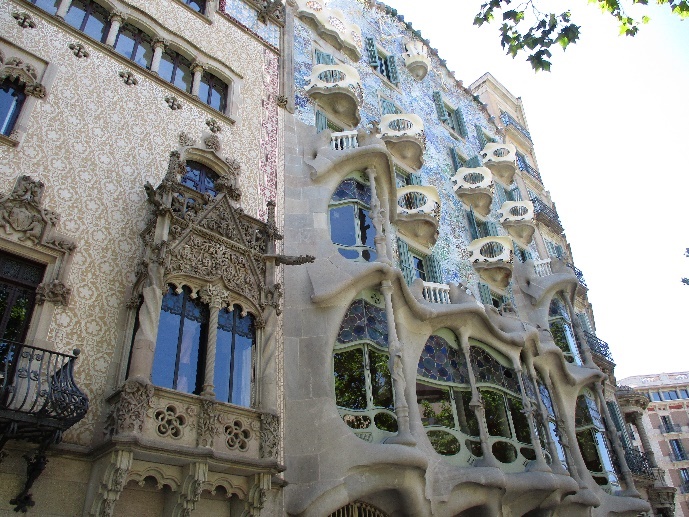
PERSONAJES FAMOSOS: Isabel I de Castilla La Católica, Carlos III de España, Alfonso X El Sabio, Isidoro de Sevilla, Antonio de Nebrija, Clara Campoamor, Elena Arzak, Rafael Nadal, José Andrés, Goya, Salvador Dalí, Antonio Gaudí
ESCRITORES: Miguel de Cervantes, Teresa de Jesús, Rosalía de Castro, María Dueñas, Federico García Lorca, Miguel de Unamuno, Emilia Pardo Bazán, Miguel Hernández
MÚSICA: La Zarzuela, la Jota, el Pasodoble, la copla andaluza
COMIDA: La paella, el cocido madrileño, las croquetas, los pinchos y tapas, el jamón ibérico, el queso manchego, la dieta mediterránea, el aceite de oliva, el pulpo a la gallega, el gazpacho, la fabada asturiana, la crema catalana
OBRAS CONSULTADAS
Arbeloa, Víctor Manuel. “De Lenguas y Culturas.” El Ciervo, vol. 48, no. 578, 1999, pp. 29–30.
Arriola, Iñaki. “Al-Ándalus, la conquista árabe y su trascendencia en la península ibérica.” National Geographic en Español, 3 dic 2023, https://www.ngenespanol.com/historia/al-andalus-la-conquista-arabe-y-su-trascendencia-en-la-peninsula-iberica/
Bearman, P. J. The Encyclopaedia of Islam, New Edition. Index of Subjects. E. J. Brill; Maisonneuve & Larose, 1993.
Bierling, Marilyn R. The Phoenicians in Spain: An Archaeological Review of the Eighth-Sixth Centuries B.C.E.; A Collection of Articles Translated from Spanish. Edited by Seymour Gitin, Penn State University Press, 2002.
Blanco Blanco, María Francisca. “Symmetry Groups in the Alhambra.” Visual Mathematics, vol. 13, no. 1, 2011, pp. 1–42.
Braojoa Garrido, Alfonso, et al. Sevilla y su Semana Santa. Fundación El Monte, 1995.
Burgard, Timothy Anglin. “Picasso and Appropriation.” The Art Bulletin, vol. 73, no. 3, 1991, pp. 479–494.
Fernández, Francisco Moreno. “Fundamentos de Demografía Lingüística a Propósito de La Lengua Española.” Revista Internacional de Lingüística Iberoamericana, vol. 12, no. 2 (24), 2014, pp. 19–38.
Ledesma, José Luis, and Javier Rodrigo. “Caídos por España, Mártires de La Libertad. Víctimas y Conmemoración de la Guerra Civil en la España Posbélica (1939–2006).” Ayer, no. 63, 2006, pp. 233–255.
Lorenzana de la Puente, Felipe, et al. El Legado de la España de las Tres Culturas. Sociedad Extremeña de Historia, 2017.
Manuel, Peter. “Andalusian, Gypsy, and Class Identity in the Contemporary Flamenco Complex.” Ethnomusicology, vol. 33, no. 1, 1989, pp. 47–65.
Martínez Vela, Manuel. La Alhambra con Regla y Compás. Editorial Almizate / Patronato de la Alhambra y Generalife, 2017.
Núñez, Miguel Ropero. “Aproximación a La Historia Del Flamenco: El Problema Histórico, Cultural y Etimológico.” Litoral, no. 238, 2004, pp. 6–31.
Ortiz, Antonio Domínguez. España, Tres Milenios de Historia. Marcial Pons Ediciones de Historia, 2007.
Rey Reguillo, Fernando del. “1936. La destrucción de los espacios y símbolos del culto católico en La Mancha,” Hispania, vol. 80, no. 265, mayo 2020, pp. 563–596.
Rodrigo, Ana. “¿Por qué nacen tan pocos niños en España?” EFE, 4 marzo 2024, https://efe.com/espana/2024-03-04/ley-familias-espana-natalidad/
Ruiz Abellán, Miguel. 2023. “La presencia fenicia en el sur de la península ibérica a través de los vestigios de su cultura material.” Alejandría, vol. 2, 15 mar 2023, pp. 91–106.
Sánchez Hidalgo, Emilio. “‘No Ku Klux Klan. Spanish tradition’: la aclaración de una pastelería de Cádiz a los turistas.” El País, 21 abril 2019, https://verne.elpais.com/verne/2019/04/20/articulo/1555764887_494254.html
Sandberg, W. J. H. B. “Picasso’s ‘Guernica.’” Daedalus, vol. 89, no. 1, 1960, pp. 245–252.
Atribuciones de los Imagens
- España © Ángela Pacheco González is licensed under a CC BY (Atribución) license
- Museo del Prado. Invitadas. Fragmentos sobre mujeres, ideología y artes plásticas en España 28 © MuseodelPrado is licensed under a CC BY-SA (Atribución CompartirIgual) license
- Palacio Real, Madrid, España, 2023-01-03, DD 22-24 HDR © Diego Delso is licensed under a CC BY-SA (Atribución CompartirIgual) license
- Altamira-2.jpg © Gobierno de Cantabria is licensed under a CC BY (Atribución) license
- Codiceemil.jpg © Rafael Nieto is licensed under a CC0 (Creative Commons Zero) license
- Logroño, Ñ 2 © LBM1948 is licensed under a CC BY-SA (Atribución CompartirIgual) license
- Los Reyes Católicos y la infanta doña Juana.jpg © Unknown author is licensed under a CC0 (Creative Commons Zero) license
- Entrance © Jocelyn777 Love Europe is licensed under a CC BY-SA (Atribución CompartirIgual) license
- Torre de las Damas – El Partal – La Alhambra – Granada © jamebla is licensed under a CC BY-NC-ND (Atribución NoComercial SinDerivadas) license
- University of Pennsylvania LJS 439: Treatise on science, religion, and cosmology, 17 © kislakcenter is licensed under a Dominio público license
- Alhambra-p3-wall.jpg © Dmharvey is licensed under a CC BY-SA (Atribución CompartirIgual) license
- semana santa Sevilla © teresalomas is licensed under a CC BY (Atribución) license
- Chant flamenco (Institut du monde arabe) © dalbera is licensed under a CC BY (Atribución) license
- Spanish War Children001 © Locospotter is licensed under a CC BY-SA (Atribución CompartirIgual) license
- Guernica © ahisgett is licensed under a CC BY-SA (Atribución CompartirIgual) license
- Salamanca © Ángela Pacheco González is licensed under a CC BY (Atribución) license
- Gaudi © Ángela Pacheco González is licensed under a CC BY (Atribución) license